Practicing Isn’t Repeating — 6 Action Steps to Improve Your Skills

March 25, 2026
by Serg EF
A really common misunderstanding I see in music students is thinking that “practicing” means just playing a piece from beginning to end. Unfortunately, that's not practice—it’s just a run-through, and it can cause more harm than benefit to the learning process.
Real practice is more intentional. It’s actually a lot like a good doctor visit.
A skilled music learner, like a skilled doctor, doesn’t just say, “let’s try every medicine and see what happens.” They listen closely, diagnose exactly what’s not working, understand why it’s happening, and then follow a clear, specific way to fix it. Practicing works the same way. Every time you sit down with your instrument, you’re not just putting in time—you’re solving little problems.
And if you’re thinking, “I’m not sure what the problem is, where do I start?” pause for a moment and listen closer. Most of the time, you do know, and of course, a good teacher will help you learn how to identify issues in your playing.
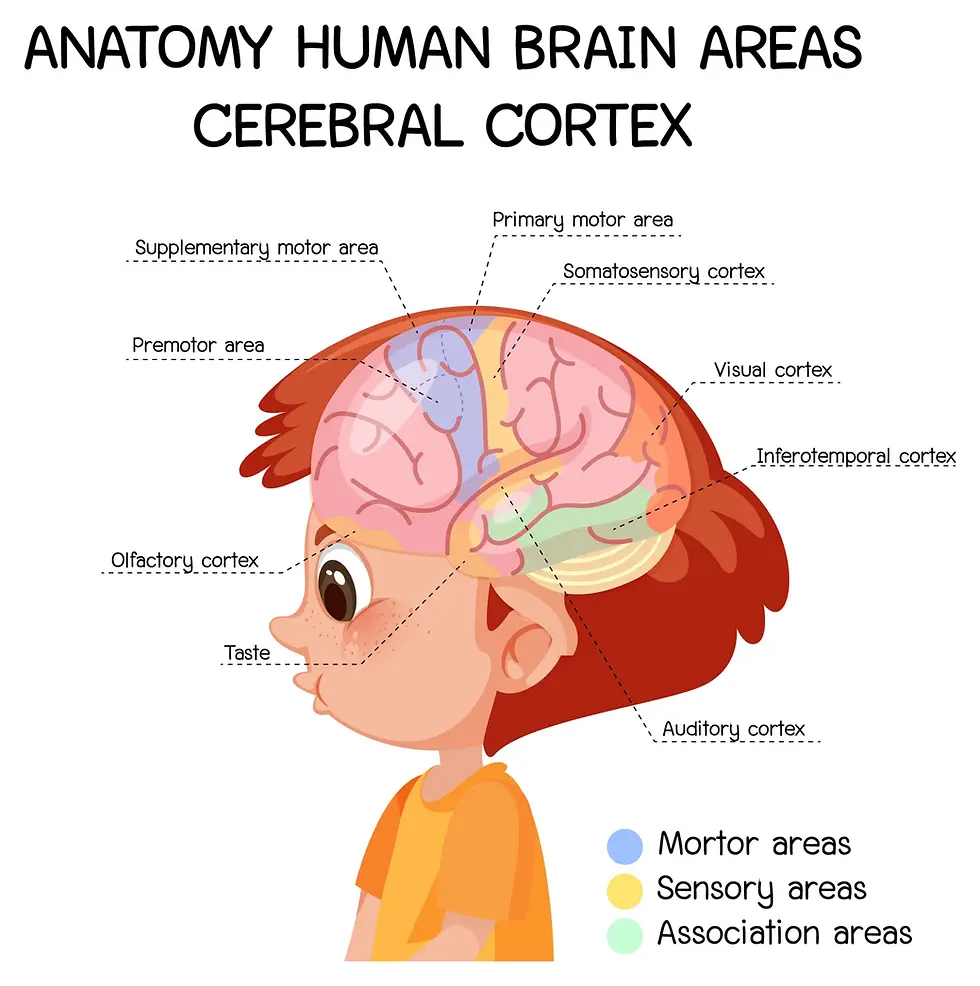
Practicing Is Brain Training
You have roughly 86 billion neurons in your brain. Those neurons communicate through connections called synapses. Think of synapses as highways, and neurotransmitters as the cars traveling via synapses to and from neurons.
When you practice correctly, you strengthen the right highways. When you practice incorrectly, you also strengthen highways—just the wrong ones. Your brain does not know the difference between good habits and bad habits. It only knows repetition.
When you learn something new, your brain physically changes. That’s not a metaphor.
Here is a helpful metaphor: imagine a big snowy field. The first time you walk across it, you leave a faint path. Walk it again, the path gets clearer. Walk it every day, and eventually it turns into a road. That’s how neural pathways work. The paths you use most often get stronger—especially while you sleep. The paths you ignore fade away.
Correct practice is making sure that the pathway you build across the snowy field, leads to the destination you intended.
Why Mindless Repetition Is Dangerous
Playing through what you already play well feels satisfying, but it doesn’t actually help. Even worse is repeating mistakes without consequence. Every error-filled repetition reinforces the wrong pathway. Once those pathways are wrapped in myelin—your brain’s version of road concrete—they’re impossible to undo. Read that again - once a bad habit is reinforced strongly enough, the brain pathway for that habit is permanent. That is why bad habits are so hard to break - you must build a new road (good habit) and then avoid the old road (bad habit).
Myelination - which is the process of building a concrete pathway - is why writing your name or walking feels automatic. You have myelinated that brain pathway.
Clumsiness is the absence of myelination. Precision is the result of it.
So almost never “just play it through.” That’s how wrong habits become permanent.

What Effective Practice Actually Looks Like
Effective practice starts exactly where things fall apart. Right in the area of the song that is most difficult for you.
Ask yourself:
Why do I have trouble at this spot?
Is it rhythm, coordination, fingering, breathing, reading, or focus?
What’s the smallest version of this problem I can solve?
Break the problem into manageable parts. Solve it slowly. Then add complexity one layer at a time.
Once you find the correct solution, your job isn’t done. Now you have to lock it in. Myelinate it!
This is where overlearning comes in.
If it took you 10 tries to finally get a section of a song right, then 100% overlearning means you need 10 correct repetitions in a row. At minimum, five correct reps in a row—actually counted—forges the pathway in your brain.
Mistakes are part of finding the solution. Mistakes are unavoidable, and in fact, they are a crucial part of the trial and error process, which helps us find the right answer. But once the solution is found, mistakes are no longer helpful. Reinforce only the correct movement.

Actionable Practice Steps You Can Use Today
Start at the problem spot immediatelySkip the warm-up run-through of the whole piece. Go straight to where it breaks down.
Name the exact issue before fixing itDon’t guess. Identify why it’s hard.
Shrink the problemReduce tempo, isolate notes, simplify rhythm—make it solvable.
Find the correct solution onceOne clean, intentional rep matters more than ten sloppy ones.
Add consecutive correct repetitionsAim for at least 5 in a row. If it took you 5 wrong attempts to find the right repetition, do 10 in a row. You want way more correct repetitions, than incorrect ones, so that your brain deems the correct pathway as more important.
Stop immediately after mistakesDon’t let incorrect reps slide. They build the wrong road. Verbally or mentally call out the error.
The Bottom Line
Learning music is about building the right neural pathways. Every correct repetition is another layer of concrete on the road to mastery. Every practice session rewires your brain—So practice like a problem-solver.
And remember: you’re not just learning music.
You are physically changing your brain.


Comments